
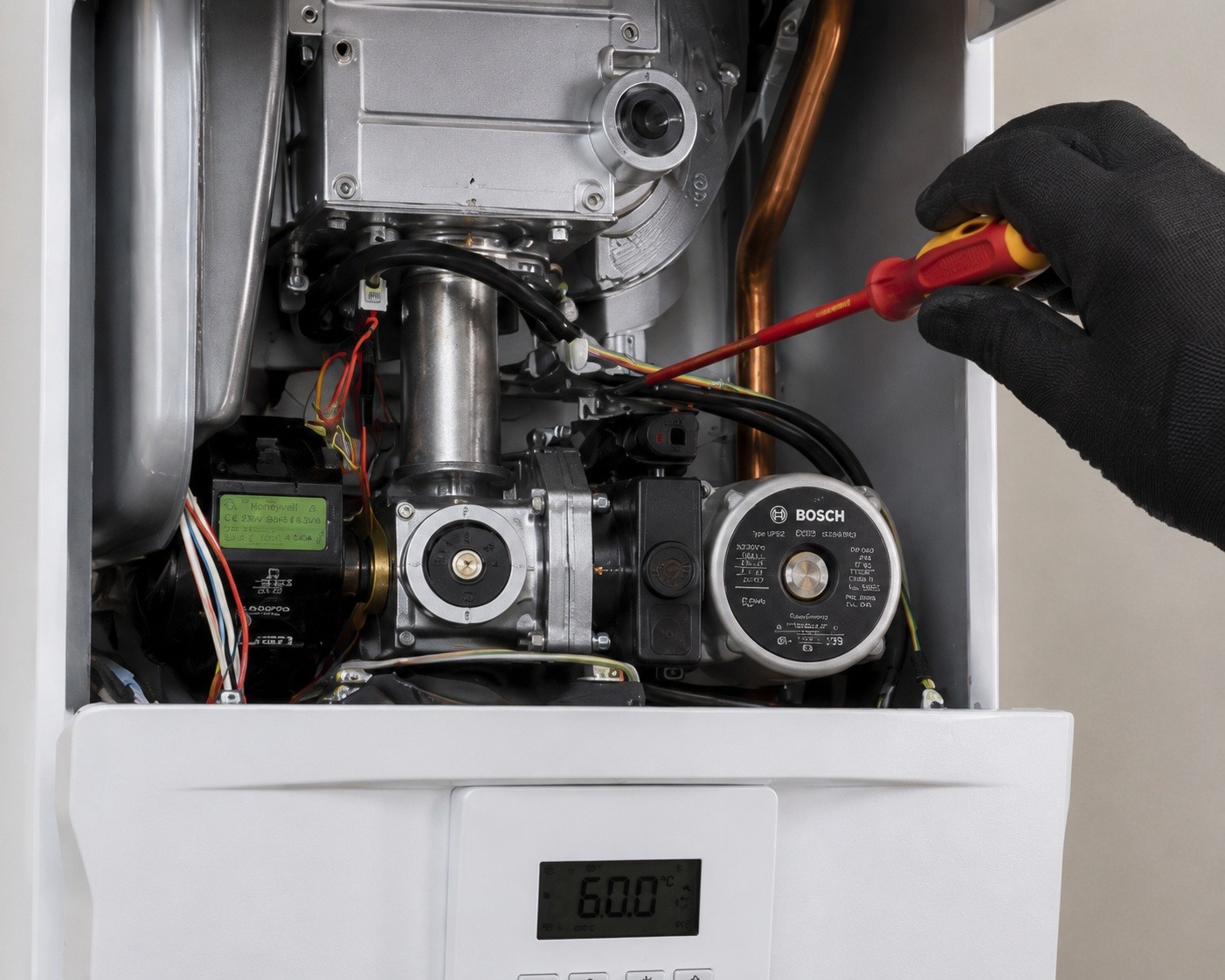
When your boiler is operating perfectly, you just don’t even think about it. When it breaks down, however, it becomes the most important problem in your life: cold showers only, until it’s fixed, argh! Just like any essential appliance, your boiler needs regular servicing to maintain peak performance and prevent this kind of emergency.
In this CAAN Services in-depth guide, we explain everything you need to know about central heating servicing, why annual maintenance matters, and how it protects your home and your wallet.
Why Regular Servicing Matters
Shunning an annual boiler or heating system service might seem like a harmless cost-saving measure, but it can lead to safety hazards, higher bills, and expensive repairs later. Here’s why it’s worth keeping up to a yearly appointment:
1. Safety: Protecting Against Carbon Monoxide Risks
A qualified Gas Safe registered engineer, like we provide at CAAN Services, will carry out a methodical assessment of every gas installation in your property. This typically includes:
- Your boiler, checking that it is operating efficiently, that the flue is expelling combustion gases safely, and that the heat exchanger shows no signs of cracking or corrosion.
- Gas hobs and cookers will be tested to confirm they ignite correctly and that no gas is escaping.
- The engineer will also inspect pipework for signs of deterioration, check the gas meter connections, and test for adequate ventilation in rooms where appliances are fitted.
At the end of the visit, you will receive a Gas Safety Record detailing the findings and confirming whether each appliance has passed or requires further attention.
2. Efficiency: Lower Bills and Better Performance
Over time, soot, scale, and debris can build up inside your boiler, forcing it to work harder and use more fuel. A service cleans and optimises components, helping your system run at peak efficiency. This means lower energy bills, faster heating, and a reduced carbon footprint.
3. Preventing Costly Breakdowns
Minor issues like worn seals, minor leaks, or failing sensors can easily go unnoticed until they cause a full breakdown. Fortunately, having an annual service can spot these early on, allowing for inexpensive fixes before they escalate into major, costly repairs or even a full boiler replacement.
What Happens During a Central Heating Service
A qualified engineer follows a thorough checklist to ensure your system is safe and efficient. First, they’ll inspect the boiler casing and components for signs of wear, corrosion, or leaks.
They’ll check the flue to confirm fumes are venting correctly and test gas pressure and flow rates to make sure the boiler is burning fuel efficiently. Safety devices, including the flame failure device and pressure relief valve, are tested to confirm they’d shut the system down if something went wrong.
The engineer will also examine seals and joints, clean or replace filters where needed, and check the condensate pipe for blockages.
Finally, radiators are bled to release trapped air, restoring even heat distribution and reducing strain on the boiler. You should receive a written report afterwards, along with a Gas Safety Certificate if applicable.
How Often Should You Book a Service?
Most manufacturers and heating engineers recommend an annual service, ideally before winter when demand on the system is highest. This keeps your boiler’s warranty valid and catches minor issues before they become costly repairs. However, older boilers, those nearing the end of their expected lifespan, may benefit from more frequent checks, as ageing components are more prone to failure.
Households that run their heating constantly, such as those with vulnerable residents or larger properties with extensive pipework, might also consider six-monthly checks for peace of mind.
Signs Your Heating System Needs Attention
Don’t wait for your scheduled service if you notice the warning signs. Banging, gurgling, or whistling noises often indicate trapped air, limescale build-up, or a failing pump. Uneven heating, where some rooms are warm and others cold, can point to radiator balancing issues or sludge in the system.
A sudden rise in energy bills without increased usage may signal reduced efficiency. A pilot light that repeatedly goes out, or an unusual yellow flame instead of blue, could indicate a serious fault and should be checked immediately.
Choosing a Qualified Heating Engineer
Always confirm the engineer is Gas Safe registered like the ones at CAAN Services. This is a legal requirement for anyone working on gas appliances in the UK, and ask to see their ID card, which shows exactly which types of work they’re qualified to carry out.
Check reviews and ask friends or family for recommendations. Reputable engineers should be happy to provide a written quote before starting work, outlining costs clearly to avoid surprises. It’s also worth asking about insurance cover and whether they offer any guarantee on their workmanship.
Contact CAAN Services Today
CAAN Services are fully Gas Safe registered. We provide years of professional expertise and a commitment to your safety on every visit. Whether you are a landlord needing a legally compliant annual inspection or a homeowner wanting reassurance that your property is safe, our team is ready to help.
Get in touch with CAAN Services today, click here, to find out more or to book your gas safety check.