
As we touched on in a previous blog, central heating is something we hardly ever think about until it stops working.
But if you know how your system operates, what your options are and how to keep it running efficiently, you can save yourself a lot of money and hassle, and avoid plenty of cold, miserable evenings. Here’s everything you need to know about central heating.
How Central Heating Works
In a nutshell, a central heating system generates heat in one place and distributes it around your home. The core components are the boiler, pump, pipework, radiators and thermostat.
The boiler is the heart of the system. It heats water, usually by burning gas or oil, or via an electric element. A pump then circulates that hot water through the pipework to radiators in each room. The radiators release warmth into the air, and the water flows back to the boiler to be reheated. In most modern combi and system boilers, the pump is built into the boiler itself. Some systems also feed underfloor heating instead of, or alongside, radiators.
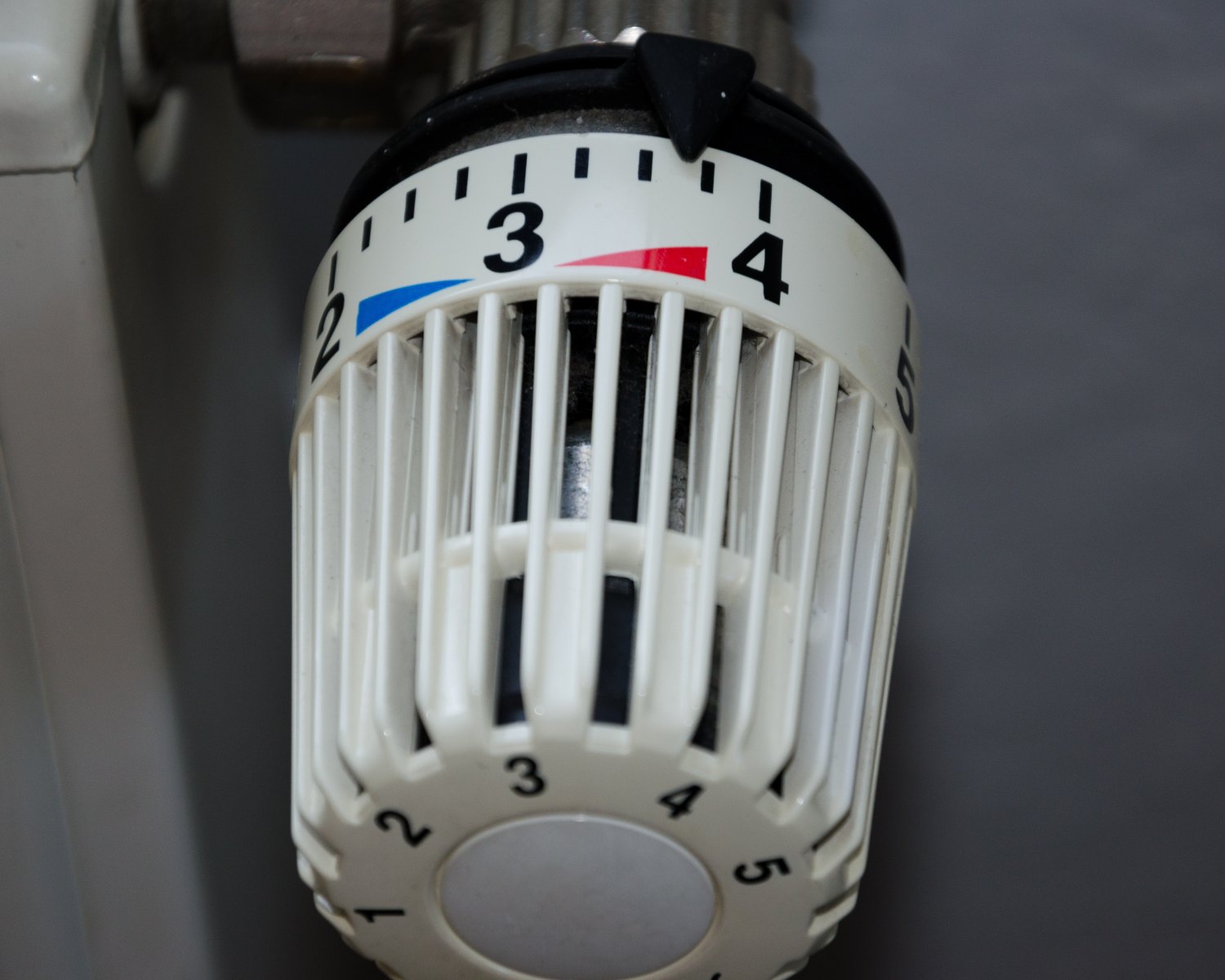
The thermostat ties it all together, monitoring the room temperature and telling the boiler when to fire up or stand down. Many homes now also have thermostatic radiator valves (TRVs) on individual radiators, which allow room-by-room control. Smart thermostats let you manage your heating remotely via an app.
Types of Central Heating Systems
Central heating systems vary considerably in how they work, and the right one for your home depends on several factors:
- Combi boilers are the most popular choice in UK homes. They heat water on demand, with no need for a separate hot water cylinder or cold water tank, making them compact and efficient for smaller properties.
- System boilers work with a hot water cylinder but no cold water tank, making them a good fit for homes with higher hot water demand, such as those with multiple bathrooms.
- Conventional (regular) boilers use both a hot water cylinder and a cold water tank, usually in the loft, and are often found in older properties. They’re well suited to homes with lower water pressure, or with older radiator systems that may not cope with the higher pressure of a combi or system boiler.
- Wet systems, which use water-filled pipework and radiators, are the UK standard. Electric central heating and warm air systems (which distribute heated air through ducts) are alternatives, often for homes off the gas grid or where installing a boiler isn’t practical.
Heat pumps are also becoming increasingly common. An air source heat pump draws warmth from the outside air and can run a wet radiator or underfloor system, offering a lower-carbon alternative to a gas boiler. Government grants, such as the Boiler Upgrade Scheme, may help with the cost of installation.
Choosing the Right Boiler for Your Home
The right boiler depends on your household size, hot water needs, property type and budget.
A one- or two-bedroom flat with a single bathroom will likely suit a combi boiler well, while larger homes with multiple bathrooms may need a system or conventional boiler to cope with simultaneous demand.
Your fuel source matters too. Mains gas is the most common option and generally the cheapest where it’s available. Oil is common in rural areas without gas access. Electric boilers suit smaller properties or those prioritising lower carbon emissions, though running costs are typically much higher than gas.
It’s worth having a qualified installer like CAAN Services assess your property before you commit, as the wrong size of boiler can mean inefficiency or inadequate heating.
Installation, Costs and Timescales
Installing a new central heating system, or upgrading an existing one, is a significant job. A straightforward like-for-like boiler swap usually takes one to two days. Installing a completely new system, including pipework and radiators, can take a week or more.
Costs vary a lot depending on the boiler type, the size of your property and your existing setup. A combi boiler replacement typically starts from around £2,000, while a full installation in a property without existing central heating can cost much more. For gas systems, always use Gas Safe registered engineers such as the CAAN Services team, and remember to factor in ongoing costs such as servicing and replacement parts.
Maintenance, Efficiency and Troubleshooting
Regular maintenance keeps your system running smoothly and safely. An annual service by qualified engineers, like the CAAN Services team, checks for faults and makes sure your boiler keeps running efficiently. Just as importantly, regular servicing is often required to keep manufacturer warranties valid.
Between services, there are a few simple things you can do to keep your system efficient:
- Bleed your radiators if they’re cold at the top and warm at the bottom, as this usually means there’s trapped air.
- Check your boiler pressure. Most systems should read around 1 to 1.5 bar when cold. If it keeps dropping, there may be a leak that needs looking at.
- Use your TRVs and thermostat wisely. Turning down the heating in unused rooms and setting sensible schedules can make a noticeable difference to your bills.
- Watch out for cold spots. Radiators that are cold at the bottom or in the middle can be a sign of sludge build-up, which a power flush can clear.
- Protect your condensate pipe in winter. If your condensing boiler stops working during a cold snap, a frozen condensate pipe is a common culprit.
If you smell gas, hear strange noises or have a pilot light that keeps going out, don’t try to fix it yourself. If you suspect a gas leak, call the National Gas Emergency Service on 0800 111 999 straight away.
Contact CAAN Services Today
CAAN Services are fully Gas Safe registered, and we bring years of professional expertise and a commitment to safety to every visit. Whether you need a new boiler, a full central heating installation, an annual service or a repair, our team is ready to help.
Get in touch with CAAN Services today to find out more or to book an appointment.